
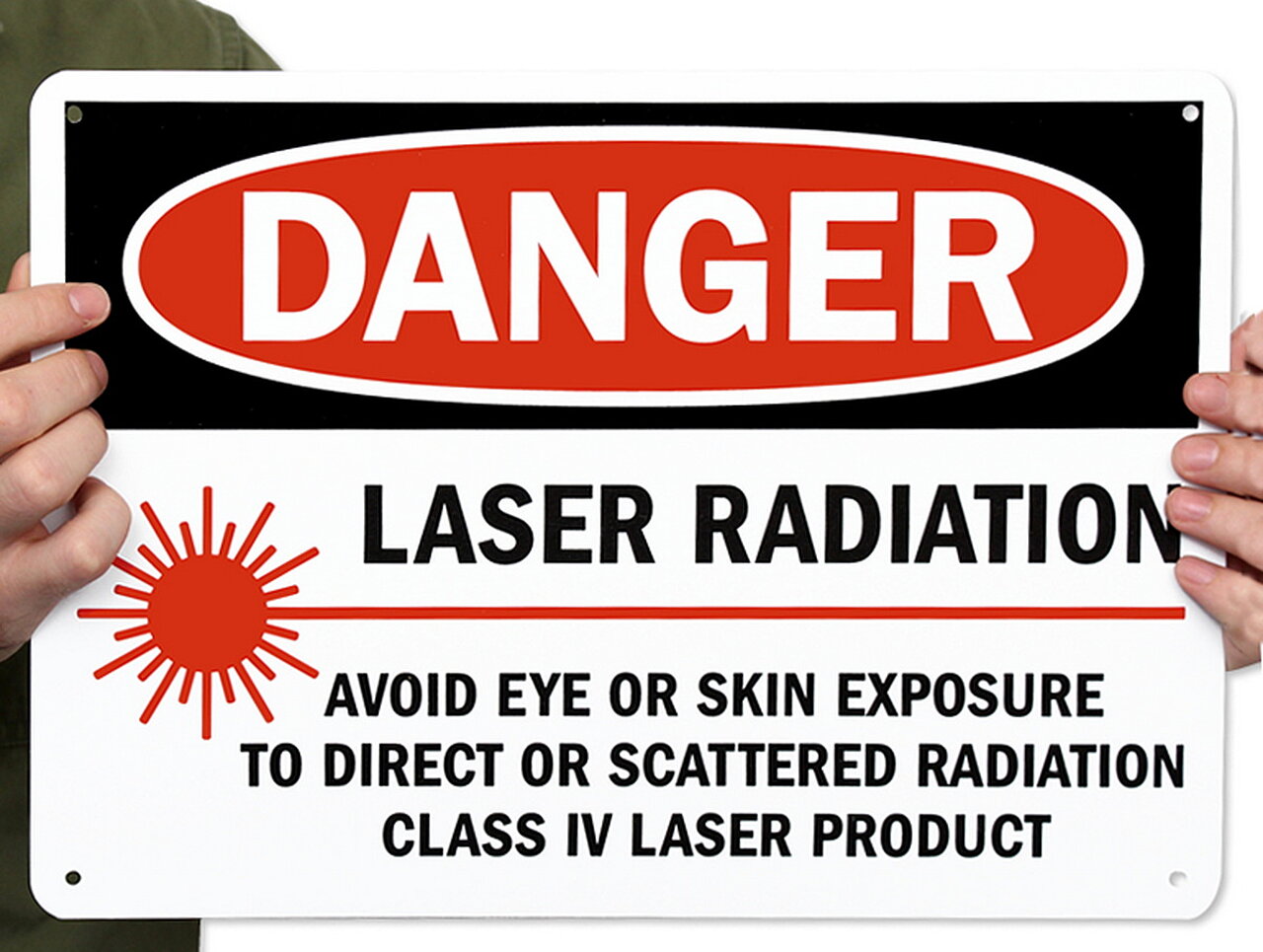

Danger of Laser radiation
PROTECT YOUR EYES !!!
Lasers used for welding applications radiate in the infrared spectra, which are not visible to the human eye. The intensive fiber laser light radiate in the visible spectrum but invisible for humans, is especially dangerous to the eye. Fibre laser radiation penetrate through to the retina which can be destroyed irrevocably by relatively little radiation.
Misdirected laser radiation can come directly from the laser and threaten the eyes as a result of a faulty parameter setting, an opened cover, a displaced mirror etc. Other hazards include skin burn or inflammation from combustible materials as a result of misdirected laserradiation. The greatest hazard, however, usually stems from reflected laser radiation: the major share of the laser radiation is reflected by cold material first. To this we can add reflections of work piece edges, as a result of turbulence in the weld pool etc.
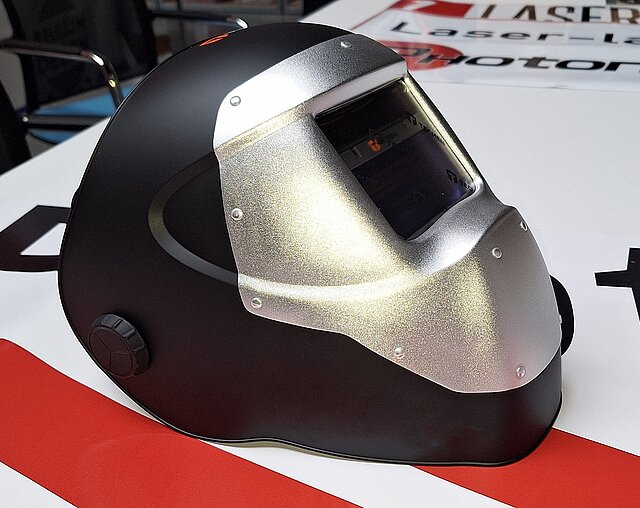
Misdirected radiation and reflections must be blocked off. That is why the law stipulates that the laser beam and the work zone must be in an enclosure. Beyond that, all those present, and the machine operators in particular, should wear protective goggles that are appropriate for the laser radiation being used. Fibre laser radiation are very dangerous to the eye and require special protective measures and approved safety goggles.

How to Choose Laser Safety Products for Industrial Use?
The Key Is Not "Certified" It's "Truly Protective"!
As the laser industry continues to grow rapidly, a lack of understanding of laser safety standards has led dangerous misconceptions-such blindly pursuing to as "CE certified" marked products or simply choosing the "lowest price". These practices pose serious safety risks to end-users and the entire industry.
Some manufacturers claim their laser protection products are "CE certified" based on EN12254 test reports. However, EN12254 is not necessarily applicable to high-power industrial laser. EN12254 was developed by CEN/TC85, Eye Protection (secretariat: AFNOR, France) and is a device standard. It's important to verify whether the issuing body is actually qualified to certify devices under this category.
1. Power Threshold Limitations:
EN12254 clearly states that it applies only to low-power lasers with average power < 100W, or single pulse energy < 30J. This means EN12254 has power threshold limitations and is not suitable for high-power applications such as laser welding, cleaning, cutting, or cladding, where lasers typically range from several hundred to several thousand watts.
DIN EN 12254:2012-04 EN 12254:2010-AC 2011 (E) : This European Standard specifies functional requirements and a product labelling applicable to temporary and permanent passive guards (in the following called screens) for protection against laser radiation. This standard includes test methods for testing functional performance and the specification of the user documentation to be supplied with the product.
The screens are designed to protect the user from
- unintentional exposure to direct and/or diffuse laser radiation
- a time-Iimited exposure to laser radiation, based on the functional requirements determined by risk assessment
This European Standard gives guidance on how to select such screens, curtains or walls.
Even if a high energy density is applied to a 1mm spot, the total energy might be low and not cause damage. Conversely, a lower energy density over a large area or long exposure can cause significant harm.
Laser protection should be evaluated based on EN 60825-4, using the expected FEL (Feasible Emission Limit) and ensuring the PEL (Protective Exposure Limit) of the protection product exceeds it.
Each use case requires a specific safety assessmen
Laserstraling van infrarood fiber lasers, YAG-lasers, schijflasers en diodelasers kan ernstige en blijvende schade aan het menselijk oog en de huid veroorzaken.
Maar met eenvoudige voorzorgsmaatregelen en ons inherente veiligheidsontwerp is dit een veilige oplossing die voldoet aan de eisen van wereldwijd actieve klanten en hun veiligheidsorganisaties.
De Lasermach PhotonWeld©Pro Series laserlasapparaten en de PhotonClean Trident Series zijn lasersystemen van klasse 4, waarvoor het volgende vereist is:
Persoonlijke bescherming (laserbril)
Veiligheidsschermen of -wanden om het werkgebied af te schermen van onbeschermde omstanders
Veiligheidsmarkering
Laserveiligheidsfunctionaris (training van 1 dag)
De Lasermach PhotonSafe© Protection Series biedt superieure laserveiligheid:
CE-markering en een echt CE-ontwerp gebaseerd op een grondige risicoanalyse conform de Machinerichtlijn EG 2006/42/EG en de enige geldende Europese norm voor laserveiligheid voor laserlasapparatuur: EN 60825-1; 60825-4 - Veiligheid van laserproducten.
Componenten met veiligheidsniveau D, inclusief veiligheids-PLC in plaats van een op maat gemaakte besturingsprintplaat.
Interface voor aansluiting van externe veiligheidsvoorzieningen (noodstop, vergrendeling en laserwaarschuwingslicht).
Bescherming en veiligheid bij laserlassen - Bescherming en veiligheid bij laserreiniging
Ons assortiment beschermingsmiddelen voor laserlas- en laserreinigingsstraling
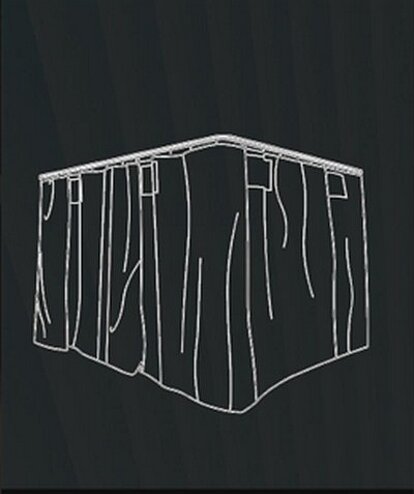
Laserbeschermingsgordijnen
Laserlasgordijnen - Flexibele laserbarrières

Laserbeschermingswanden/schermen
Laserlasschermen/wanden - Harde laserbeveiligingsbarrière
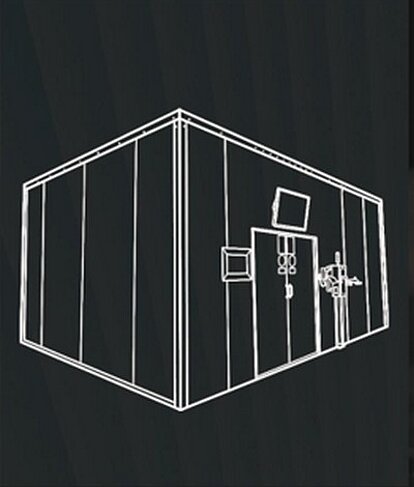
Laserbeveiligingscabines
Laserbeveiligingsruimtes - Laser lasbehuizingen
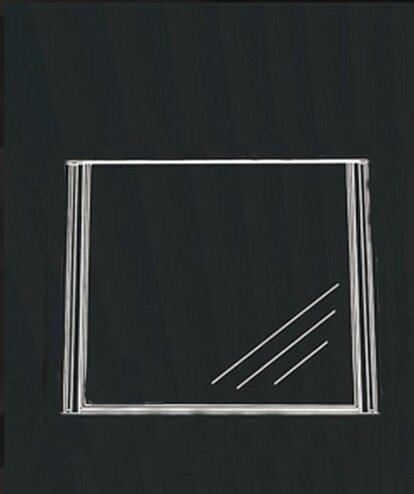
Laserbeschermingsramen
Laserlasramen - Laserbeschermingsramen
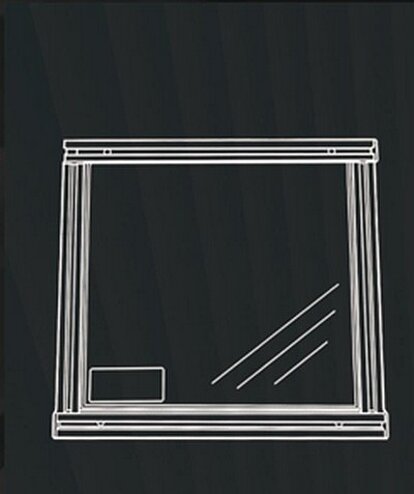
Laserbeschermende raamfolie
Laserbeschermende raam film
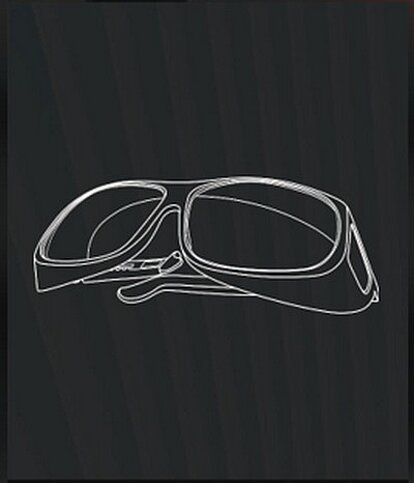
Laserbrillen en -goggles - Laserbescherming voor de ogen
Laserbeschermingsbrillen en -goggles
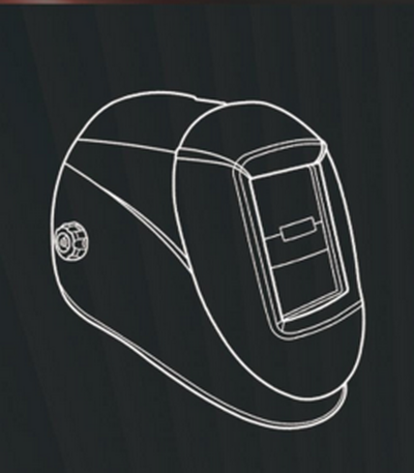
Laserhelmen/gelaatsschermen - Laserbescherming voor de ogen
Gelaatsschermen ter bescherming bij laserlassen - Laserbeschermingsgelaatsschermen
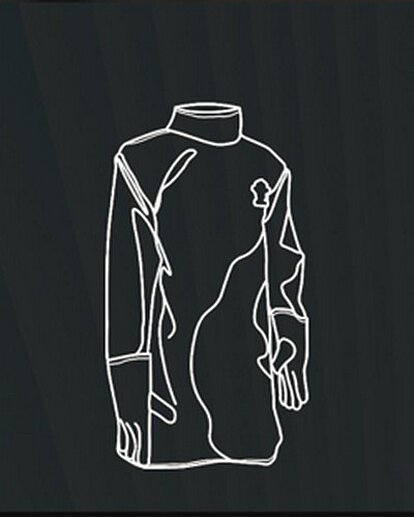
Laserbeschermende kleding
Laserbeschermende handschoenen

Laserbeveiligingsborden
Laserveiligheidsborden

PERSOONLIJKE BESCHERMINGSMIDDELEN
POTENTIËLE GEVAREN van laserlassen
Laserveiligheid: Laserbeschermingsklasse 4 is van toepassing op al onze handmatige laserlasapparatuur tijdens gebruik.
Daarom zijn er aan de klantzijde verschillende maatregelen nodig om de laserveiligheid te waarborgen, zoals:
- de juiste training van medewerkers,
- het dragen van speciale persoonlijke beschermingsmiddelen (PBM's),
- het inrichten van een aparte laserveiligheidszone.
Laserschermen en -barrières zijn primair ontworpen om onbedoelde emissies en strooilicht te voorkomen. Ze zijn niet bedoeld als doelwit voor laserstralen. In de praktijk zijn lasers gericht op de te bewerken producten, niet op de veiligheidsapparatuur zelf. Kortom, hoewel onze laserbeschermingsproducten aanzienlijke bescherming bieden, is hun doel de veiligheid te verhogen door potentiële gevaren te beheersen in plaats van direct bestand te zijn tegen blootstelling aan lasers met hoge energie. Het is essentieel om ze te gebruiken als onderdeel van een alomvattende veiligheidsstrategie in elke lasertoepassingsomgeving. Mocht u nog vragen hebben of meer informatie over onze producten willen, neem dan gerust contact met ons op!
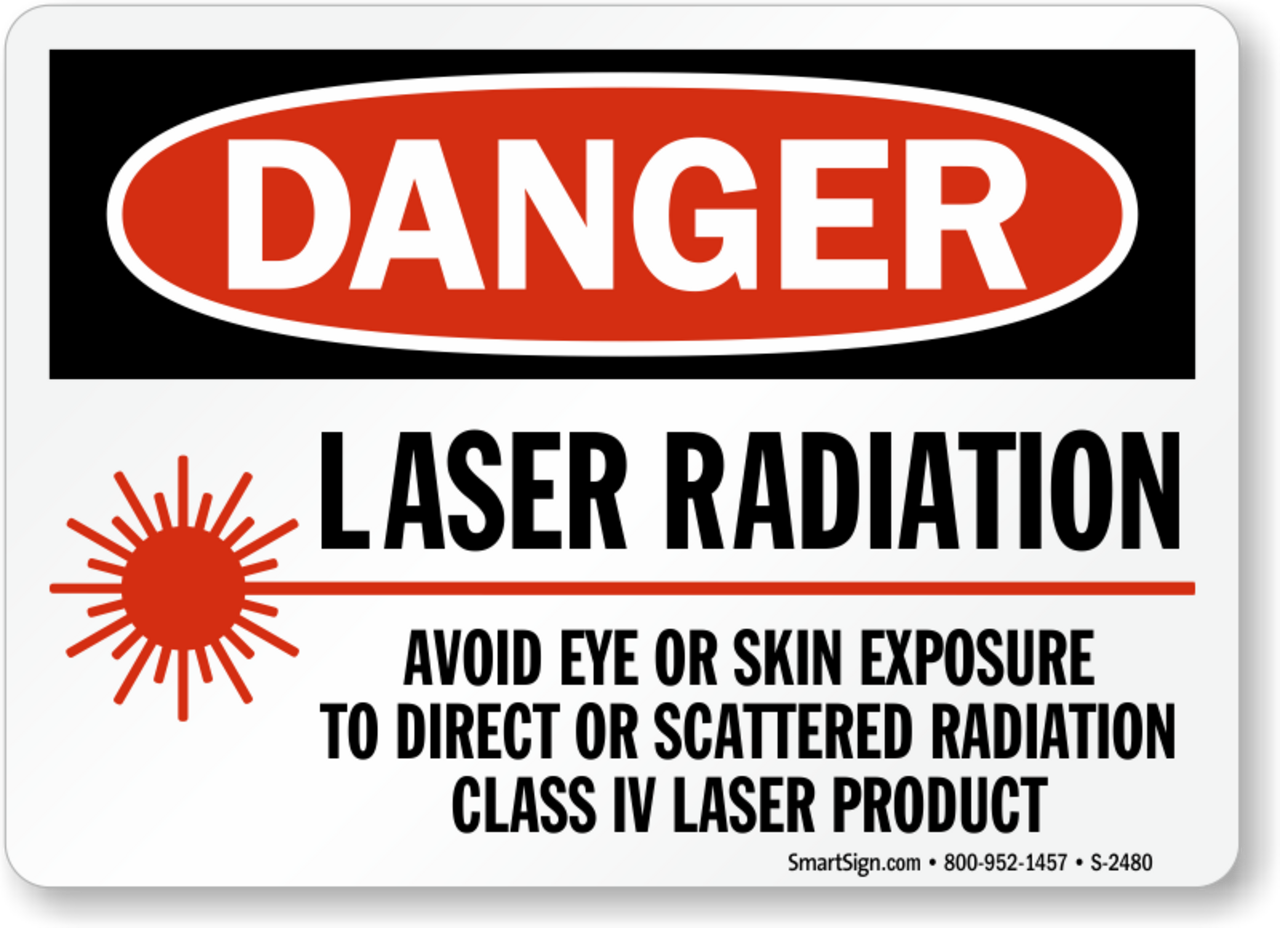
Veiligheid bij laserlassen:
Onze handmatige laserlasapparatuur uit de PhotonWeld-serie valt onder laserbeschermingsklasse 4.
Daarom zijn er diverse maatregelen van de klant vereist om de laserveiligheid te waarborgen,
zoals het trainen van medewerkers, het dragen van speciale beschermingsmiddelen en het inrichten van een aparte laserveilige zone.
LET OP:
Alleen operators met de juiste veiligheidstraining en persoonlijke beschermingsmiddelen mogen de laserveilige zone betreden.
