
LASER-WELDING ROOMS:
JOINING TOGETHER PRECISION, SAFETY AND CONVENIENCE

The Critical Importance of a Laser Safety Enclosure
A professional laser safety enclosure is an indispensable requirement for any facility operating high-power fiber laser equipment, providing a secure barrier between the intense laser radiation and the surrounding workplace.
At Lasermach, our workstations are engineered with certified laser-rated materials that absorb and deflect harmful laser light, effectively converting a high-risk laser area into a Class 1 safe environment. This protective structure is vital because even a reflected beam from a stainless steel or aluminum workpiece can cause permanent ocular damage or skin burns to unprotected personnel.
By installing a robust laser safety enclosure, you fulfill the necessary occupational health and safety regulations while allowing for a streamlined production flow within your existing manufacturing floor.
Specialized Benefits and Requirements of Laser-Welding Rooms and Laser-Welding Enclosures
Safe and conducive modular laser-welding rooms require a few key factors that distinguish them from other structures and construction environments. This is due almost entirely to the high temperatures required for the welding process and the potential risks associated with them.
Full room laser enclosures create a complete laser-safe environment:
- Special glass windows rated to specific welding equipment.
- Specialized high-performance HVAC systems that can accommodate heat loads produced by laser welders.
- Specially designed entry doors with safety interlocks that work in conjunction with the laser welder to halt welding immediately upon opening.
- Safety alert warning lights visually warn room occupants and those in nearby proximity that the laser welder is in use.
- Light switches for the laser room are on the outside wall by the door, so control is reserved for entry and exit.
Laser enclosures are needed to house laser workstations, which serve as a protective barrier for personnel outside of the enclosures from the laser process. To meet requirements, options include:
- Walls made of fire-retardant materials - Traditional vinyl gypsum modular wall panels can still be used.
- An open design that could utilize existing lighting and sprinkler systems - Traditional LED lights can still be used.
- Laser safety glass windows were required
Structural Performance of the Safety Enclosure
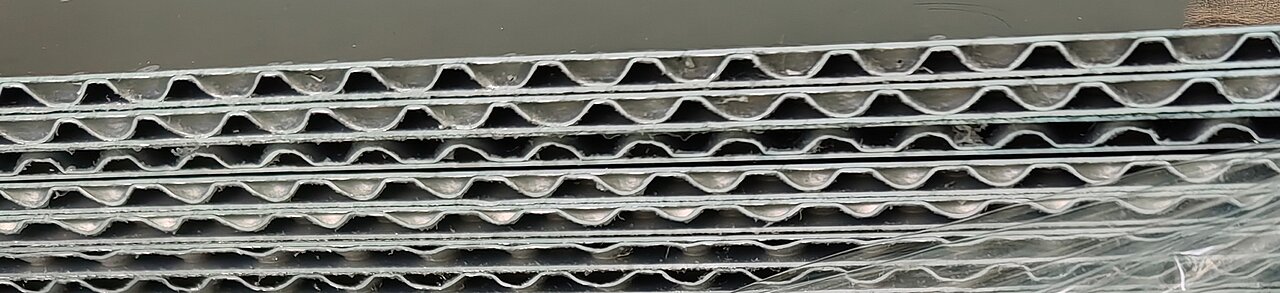
Regarding the engineering standards and build quality, each laser safety enclosure is constructed from heavy-duty reinforced panels designed to withstand direct laser strikes for a specified duration. The viewing windows are fitted with specialized OD6+ or OD7+ certified glass, allowing operators to monitor the welding process safely without the need for individual safety goggles. To prevent accidental exposure, these units are equipped with a redundant dual-channel safety interlock system that immediately terminates the laser source if the access doors are opened during operation. The internal layout is optimized for high-power welding, featuring integrated smoke extraction ports and flame-retardant internal coatings that resist the intense heat and metallic sparks generated during continuous industrial fabrication.
Specific Controls and actions to take for Class 4 Lasers
Class 4 lasers are required to have:
specific safety protocols including remote interlock
beam stop or attenuator
warning signs and labelling
elimination of specular reflections
use of eye protection where there is a potential eye hazard
use of protective clothing
requirement for medical examination immediately if there is a suspected injury
provision of appropriate training on safe use of equipment including maintenance
safe work procedures for control of hazards
Considerations for workshop and laboratory design for class 4 lasers include:
no windows
an area for storing protective eyewear
key locks to prevent unauthorised and unprotected personnel from entering
a non-defeatable door interlock
signs at entrance to lab/workshop
laser beam path must be enclosed
beams must be positively terminated
laser work area must be free of unnecessary specular surfaces
curtain materials must be fire resistant
a clearly visible power cut-off switch which kills power to the laser
a warning light must be located outside of the lab door to indicate when the laser if firing
other controls as necessary

Enhancing Workplace Productivity with Certified Protection.
Investing in a well-designed laser safety enclosure not only protects your team but also improves the overall efficiency of your laser processing cell. Our modular designs allow for quick assembly and can be customized to accommodate both handheld welding stations and large-scale robotic arms. It is essential to ensure the integrated ventilation system is properly maintained to prevent the accumulation of toxic fumes in the workspace, thereby maintaining a clean, breathable atmosphere for the operator. By choosing a precision-engineered laser safety enclosure, you eliminate the need for site-wide laser safety protocols and create a dedicated, high-performance environment for your precision metalworking projects.